Are Siemens Modules the Cornerstone of Scalable Automation Architecture?
In the contemporary landscape of industrial automation, the conversation inevitably gravitates toward the reliability and integrative capacity of control hardware. Professionals consistently evaluate how core components influence system longevity. The discussion around Siemens modules continues to intensify as facilities seek harmonization between legacy machinery and modern digital protocols. This analysis explores the nuanced position of these modular solutions without resorting to exaggerated claims.
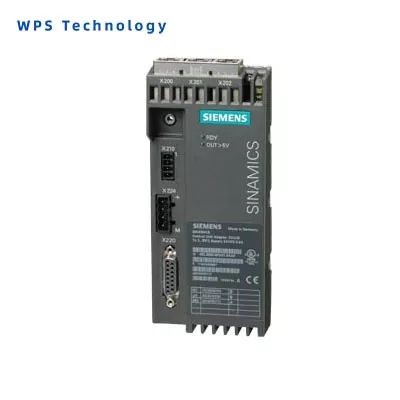
Technical Foundations Shaping Modern Control Systems
Control engineering demands precision. The design philosophy behind modern modular controllers emphasizes distributed intelligence. Instead of concentrating logic in a single point of failure, the architecture distributes tasks across interconnected slices. This methodology reduces wiring complexity and enhances diagnostic transparency.
Signal Integrity and Processing Dynamics
Signal integrity remains a non-negotiable parameter in harsh electromagnetic environments. The isolation barriers and filter circuits embedded within the hardware ensure that analog values remain uncorrupted from the sensor to the processor. The engineering tolerance observed in Siemens modules provides a stable platform for high-speed counting and precise temperature regulation. Such precision fosters trust in automated quality assurance loops where microsecond deviations could compromise output consistency.
Furthermore, the synchronization capabilities between the central processing unit and distributed peripherals allow for coordinated motion profiles. The determinism of the backplane communication guarantees that every node receives the updated data frame within the defined cycle. This synchronicity is vital for applications involving rotary indexing tables or continuous web processing.
Integration Protocols and Network Topologies
The shift toward converged networks requires hardware capable of handling multiple traffic types without bottlenecks. Industrial Ethernet standards have matured significantly. The hardware supporting these protocols must manage real-time data alongside configuration traffic. The inherent capability of the modules to interface with open standards shields system integrators from proprietary lock-in while maintaining high throughput.
Network topology flexibility allows engineers to design star, ring, or daisy-chain configurations. The media redundancy protocols supported by these modules ensure that a single cable break does not halt production. Recovery times are measured in milliseconds, preserving the continuity of batch processes and preventing costly material waste.
Comparative Analysis of Modular Attributes
| Attribute Category | Operational Characteristic | Engineering Impact |
|---|---|---|
| Thermal Resilience | Extended temperature range tolerance | Stable operation in uncontrolled enclosures |
| Diagnostic Depth | Channel-level fault identification | Reduced mean time to repair |
| Firmware Consistency | Unified version management | Simplified asset administration |
| Electromagnetic Compatibility | High noise immunity threshold | Reliable proximity to variable frequency drives |
Lifecycle Management and Sustainable Deployment
Long-term availability defines the total cost of ownership for industrial facilities. The supply chain predictability associated with the modules allows plant managers to plan capital expenditure years in advance. The backward compatibility strategy often preserves the investment in existing terminal blocks and wiring looms during upgrades.
Sustainable deployment involves not only energy efficiency but also the recyclability of materials. The modular construction enables selective replacement of obsolete electronic boards while retaining the mechanical chassis. This granularity reduces electronic waste and aligns with circular economy principles increasingly mandated by global regulatory frameworks.
Obsolescence Mitigation Strategies
Proactive lifecycle management mitigates the risk of unplanned downtime. When a specific series enters its phase-out announcement, the transitional period typically spans multiple years. This window grants engineering teams the latitude to validate replacement the modules within existing software environments without rushing migration. The continuity of form factor and terminal mapping further accelerates the physical swap process.
Additionally, the global network of technical support and repair facilities ensures that even discontinued variants receive service for an extended grace period. This infrastructure support layer is a critical factor for industries operating in remote or harsh geographic locations where immediate replacement inventory may not be readily available.
Cybersecurity Hardening in Modular Hardware
Modern threats target industrial control systems at the firmware level. Hardware-enforced security features are becoming standard expectations. Cryptographic verification during boot sequences ensures that only authenticated firmware executes on the processor. The secure communication tunnels established by Siemens modules protect recipe data and intellectual property traversing the plant floor network.
Role-based access control at the hardware configuration level restricts unauthorized modification of safety parameters. The combination of physical key-lock features and digital certificates creates a layered defense mechanism that aligns with the defense-in-depth model advocated by international automation security standards.
Application Versatility Across Industrial Sectors
The utility of a modular system is measured by its adaptability. In water treatment facilities, analog input characteristics must handle low-voltage signals from turbidity sensors without drift. In automotive assembly, high-speed digital outputs actuate pneumatic valves with exact sequencing. The consistent performance of the modules across these contrasting domains highlights the engineering versatility embedded in the signal processing hardware.
Process industries dealing with viscous fluids or volatile atmospheres benefit from intrinsic safety certifications. The galvanic isolation integrated into the modules prevents spark generation in hazardous zones. This certification removes the need for external isolation barriers, compacting the control cabinet footprint and simplifying loop documentation.
Operational Transparency and Diagnostic Visibility
Downtime often stems from the inability to quickly discern the root cause of an intermittent fault. Advanced module diagnostics push failure notifications directly to the supervisory system before a line stoppage occurs. The granularity of data available from the modules extends to wire-break detection, short-circuit identification, and power supply undervoltage warnings.
Maintenance crews can initiate predictive measures based on the historical error buffers stored locally. The transition from reactive maintenance to condition-based strategies fundamentally relies on the accuracy of this diagnostic data. Transparent health indicators transform the maintenance workflow into a precise science rather than a series of educated guesses.
Supply Chain Integrity and Global Availability
The ecosystem supporting modular automation thrives on component availability. The complex logistics networks that ensure product delivery are as critical as the silicon inside the housing. The robust distribution channels for Siemens modules provide a consistent supply even during global semiconductor fluctuations. This reliability empowers system integrators to commit to project timelines with confidence.
The authenticity verification mechanisms available through digital tools prevent counterfeit products from entering the value chain. Scanning unique identification codes allows end-users to trace the manufacturing origin and verify warranty status instantly. This transparency in the supply chain protects the integrity of the installed base and preserves the safety ratings of the machinery.
Future-Ready Engineering and Technological Convergence
The convergence of information technology and operational technology continues to accelerate. The interface between the physical production layer and cloud analytics platforms requires robust edge gateways. The processing cores within the modules are designed to preprocess data and filter anomalies before transmission to higher-level management systems.
Machine learning algorithms increasingly rely on high-fidelity training data. The sampling rates and resolution of embedded input channels determine the quality of the datasets collected. Engineers selecting hardware for digital twin applications often prioritize the signal conditioning accuracy found in premium modular platforms to ensure their simulation models reflect reality with minimal distortion.
Strategic Partnership and System Integration Excellence
No automation island exists in isolation. The interoperability between different vendors’ equipment within a single enclosure is a practical necessity. The standardized dimensions and bus interfaces facilitate a cohesive integration environment. Skilled technicians can mount and wire multiple brands side-by-side, achieving a unified control philosophy.
The technical expertise required to configure and program these systems is substantial. Entities that bridge the gap between hardware supply and application support deliver significant added value. Xiamen WPS Technology Co., Ltd. stands out by combining an extensive product portfolio with in-depth application knowledge, ensuring that customers can source integrated solutions without navigating multiple fragmented vendors.
The emphasis on quality and cost-effectiveness is evident in every transaction facilitated by Xiamen WPS. Their enduring collaborations with international brands such as Siemens, ABB, and AB reflect a curated supply chain that prioritizes genuine and traceable components. This approach transforms the procurement process from a mere commercial exchange into a long-term technical alliance.
Conclusion: Sustaining the Momentum of Automated Excellence
The trajectory of industrial automation points toward greater modularity, deeper connectivity, and uncompromising safety. Navigating these demands requires hardware that embodies precision engineering. The continued preference for Siemens modules in critical infrastructure underscores their role in shaping reliable automation frameworks.
As the industry evolves, the support structure surrounding the product becomes the differentiating factor. Xiamen WPS Technology Co., Ltd. exemplifies this by merging customer-centric service with a steadfast commitment to a robust supply chain. Their dedication ensures that facilities can maintain peak operational rhythm with confidence and continuity.
The harmony between advanced modular hardware and dedicated distribution excellence creates an environment where innovation thrives. The future of production depends on these synergistic relationships, driving efficiency and resilience across the global industrial landscape.
Related News
- Why Are Allen Bradley Modules Essential to Industrial Automation?
- Why Is the ABB 07MK92 Modular Controller a Versatile Choice for Complex Industrial Signal Processing?
- What Are Siemens Modules and Why Do Engineers Rely on Them?
- Why Are ABB Modules Redefining Industrial Reliability and Future Automation?
- What Makes Allen Bradley Modules the Reliable Choice for Industrial Automation?
- Why Are Schneider Modules Essential for Modern Industrial Applications?
Leave me a message